

5 Times Junk Car Recycling Makes More Sense Than Repairs
The automotive industry is undergoing a significant transformation, driven by an increasing emphasis on sustainability. The question to repair or recycle old vehicles has become more pressing. Historically, the decision leaned towards repairs, often fueled by sentimental attachment or perceived value retention. However, the tide is shifting as the benefits of junk car recycling become more evident. This article delves into when recycling junk cars is more logical, encompassing financial, environmental, and safety considerations.
1. Cost of Repairs vs. Value of Vehicle
One of the primary factors influencing the decision to recycle a car is the cost of repairs. Often, repair expenses can surpass the market value of the vehicle, especially as it ages. Such financial impracticality can hinder owners from continuing with repairs, redirecting them towards recycling options. The decision becomes more apparent when one considers the potential monetary loss involved in sinking funds into a depreciating asset. Junk car recycling, therefore, becomes a financially prudent choice, providing some return through the sale of recyclables.
Repairing an older vehicle can entail ongoing costs that quickly add up, eclipsing its resale value. Thus, continued financial investment in a car that ultimately offers diminishing returns is questioned. This scenario is particularly common with high-mileage vehicles, where advanced wear and tear are present. Owners of such vehicles can benefit from acknowledging the financial wisdom in recycling over expensive repairs. By doing so, they safeguard their resources while contributing to a more sustainable cycle of use.
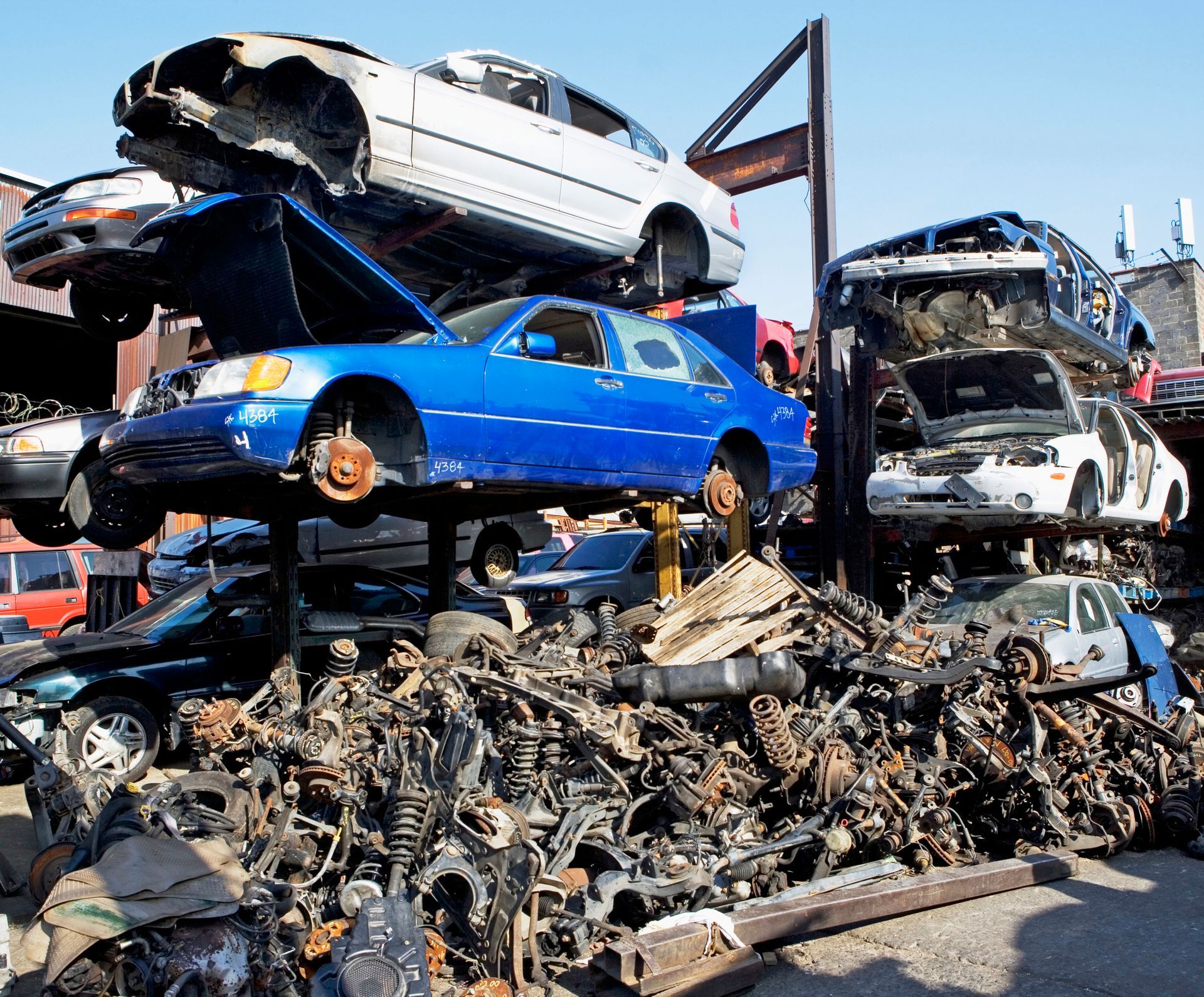
Recognizing when a vehicle becomes a financial liability is crucial for car owners. Continuously investing in repairs for a car that no longer offers viable returns is counterintuitive to economic welfare. Opting to recycle provides not only a financial reprieve but also ensures that metals and materials are repurposed effectively. According to The Zebra, around 12 million cars are sent to salvage yards each year for recycling, underscoring the widespread acknowledgment of economic inefficiencies in ongoing auto repairs. The recurrent choice to recycle signifies its advantageous impact on personal and community financial health.
2. Frequency of Repairs
Constant repairs can become a financial burden, draining resources incrementally without noticeable improvement in a vehicle's performance. Once a vehicle reaches a state where frequent repairs are required, it signals the need for reassessment of its practicality. Such a cyclical investment pattern can wreak havoc on a budget, increasing pressure on household finances. Consequently, frequent repairs often catalyze considering junk car recycling. By deciding to recycle, owners can escape this costly cycle, preserving capital and reducing unnecessary expenses.
The unpredictable nature of continuous vehicle repairs often exacerbates the financial strain faced by car owners. Repair costs can quickly accumulate, reaching unforeseen heights without offering lasting solutions. The persistent need for repair points to accumulated wear, which signifies a vehicle nearing the end of its useful life. Under such conditions, recycling over repair can offer longer-term financial relief. Car owners who have faced this predicament often advocate for recycling as a definitive solution to the stress of unforeseen expenditures.
Recycling offers an alternative pathway when repetitive repairs become unmanageable. From a financial standpoint, it halts wasteful expenditure and allows for more intentional allocation of resources. By converting their vehicles into tangible scrap value, owners can alleviate the burden of frequent repairs. The cycling investment method is a reminder that recognizing when to pivot to recycling can be beneficial. Steering towards recycling provides financial clarity, preventing the exhaustion of funds without meaningful improvements to vehicle functionality.
3. Hidden Costs of Repairs
Car repairs often introduce hidden costs that may not be immediately evident at the outset. These can include frequent towing expenses, rental car fees, or incidental repairs that arise unexpectedly. Such hidden costs contribute to the unpredictability of maintaining an older vehicle, leading many to consider junk car recycling instead. Even small incidental expenses can accumulate over time, creating a financial drain that is best mitigated through recycling. By avoiding these cumulative hidden costs, recycling emerges as an economically viable option.
Repairs are not limited to direct mechanic fees but extend to peripheral expenses that inflate the overall cost. The true financial impact of maintaining an aging vehicle is often obscured by such additional costs. Consequently, recycling gains appeal as it eliminates the occurrence of unforeseen financial liabilities associated with repairs. Car owners struggling with consistent ancillary costs can benefit from recognizing the economic value of recycling. Choosing to recycle circumvents these additional outlays, providing clarity in financial planning.
The total cost of repairs, when adequately scrutinized, often reveals an unmanageable financial scenario. Hidden costs present significant challenges, often catching vehicle owners off guard and leading to unforeseen debts. Acknowledging the broader economic implications of such expenses encourages a shift towards mindful recycling practices. By transitioning to recycling, owners can manage their finances more effectively, avoiding unexpected expenditures associated with maintaining old vehicles. The decision to embrace recycling is reinforced by the elimination of these burdensome hidden costs.
4. Insurance Implications
Insurance premiums are another aspect influenced by the decision to repair or recycle older cars. Persistent repairs can lead to changes in the perceived value of a vehicle, affecting its insurance rates. Insurers may view cars with frequent repairs as higher risk, potentially increasing premium requirements. Recycling mitigates these concerns by reducing premium costs since no ongoing coverage is needed for a vehicle that is junked. Car owners can thus reassess how insurance costs contribute to the overall financial viability of maintaining their vehicle.
Frequent repairs can prompt insurers to classify a vehicle as high-risk, adversely impacting insurance costs. Owners facing a surge in premiums should consider the long-term implications of maintaining an older vehicle against the potential savings of recycling. Insurance premiums reflect the underlying risk and potential payout required for an older car, which could make recycling a more attractive option. By recycling, owners are able to streamline their financial obligations, freeing up resources otherwise tied up with insurance payments. This approach allows for a more efficient allocation of funds toward safer and more sustainable options.
5. Depreciation and ROI
The concept of diminishing returns and continuous depreciation plays a pivotal role in evaluating whether repairing a vehicle is still a sensible choice. Generally, cars depreciate rapidly, and repairing a car with significant wear and advanced age may offer little return on investment. In such scenarios, junk car recycling can present a more sound financial decision. While repairs might seem like a method to prolong usage, they often fail to enhance the long-term value. As such, recycling allows for the realization of some value from a depreciating asset.
Understanding depreciation and the risk of poor returns is vital in assessing the practicality of repairs. Consistent repairs on a vehicle destined for accelerated depreciation provide little monetary benefit. Older vehicles, despite personal value, often lack market demand, further aggravating the issue of depreciation. Owner perspectives shift significantly when recognizing the financial opportunity provided by car recycling. By transitioning to recycling, owners can optimize returns amidst a depreciating vehicle market.
Choosing whether to repair or recycle a vehicle depends on balancing financial realities with long-term value. When repair costs, hidden expenses, and depreciation outweigh benefits, junk car recycling becomes the smarter option. Embracing this shift not only preserves personal finances but also supports environmental sustainability and more efficient resource use in the automotive lifecycle. For more information, call us at Holmes Recycling Services Inc today.
Share On: